
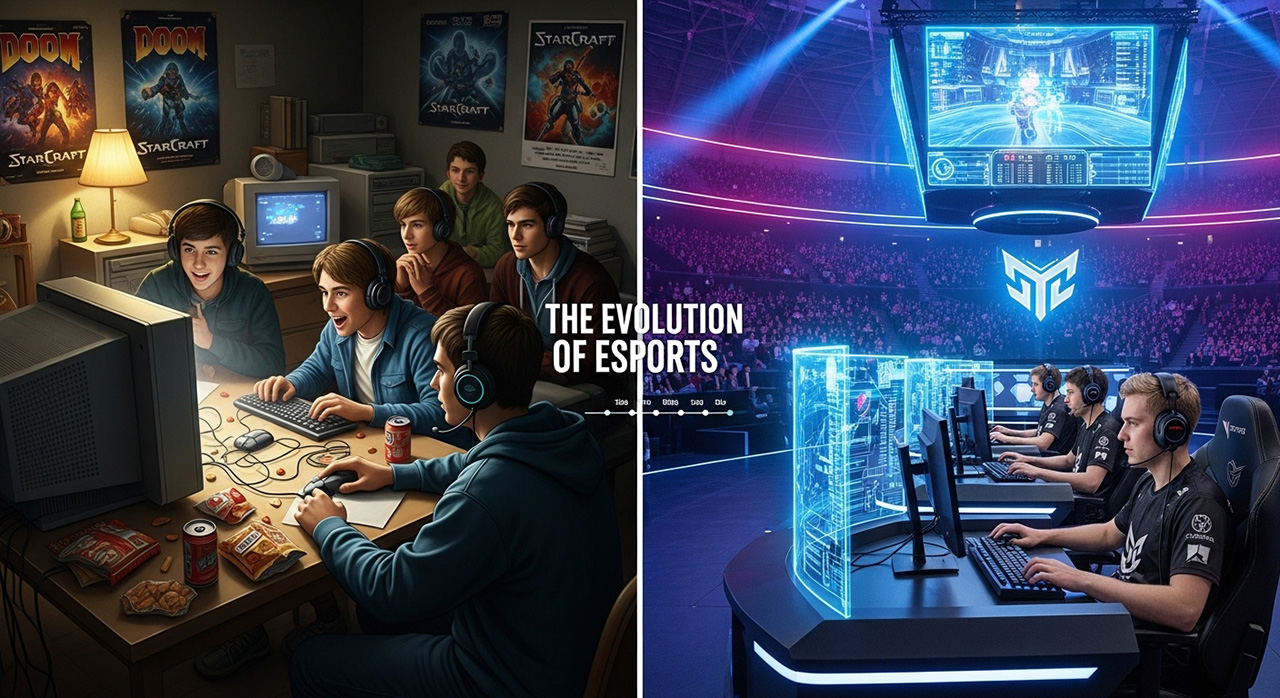
The Evolution of Esports: A Look at the Rise and Future of Competitive Gaming
In recent years, the landscape of gaming has undergone a monumental transformation, marking the rise of esports as a significant cultural and economic force. What was once a niche pastime has evolved into a global phenomenon, captivating millions of fans and generating billions in revenue. This article explores the history, current state, and future prospects of competitive gaming, or esports, delving into how it has become a staple of modern entertainment.
The Early Days of Competitive Gaming
The roots of esports can be traced back to the late 1970s and early 1980s with the advent of arcade games. Titles like “Space Invaders” and “Pac-Man” introduced the concept of high scores and competitive gameplay to a broader audience. However, it wasn’t until 1980 that the first recognized video game competition, the Atari National Space Invaders Championship, took place, drawing over 10,000 participants across the United States.
The 1990s saw further developments as games like “Street Fighter II” and “Quake” established organized tournaments and gave rise to professional gaming. The evolution of internet connectivity played a pivotal role during this time, allowing players to compete online, transcending geographical barriers.
The Growth of Esports in the 21st Century
With the dawn of the new millennium, esports experienced exponential growth. Games such as “Counter-Strike,” “StarCraft,” and “Warcraft III” began to dominate the competitive scene. In South Korea, “StarCraft” became a national pastime, and the country emerged as a leader in the esports industry, hosting major tournaments and establishing professional teams.
The rise of streaming platforms like Twitch in the late 2000s brought esports to a global audience. Gamers could now live-stream their matches, interact with fans, and build communities, significantly boosting the visibility and popularity of esports.
The Modern Esports Ecosystem
Today, esports is a multibillion-dollar industry with a complex ecosystem comprising players, teams, organizers, sponsors, and fans. High-profile tournaments, such as the “League of Legends World Championship” and “The International” for “Dota 2,” offer prize pools in the tens of millions, attracting the best talent from around the world.
Esports organizations operate similarly to traditional sports franchises, with structured teams, coaching staff, and training facilities. Sponsorships and advertising account for a significant portion of revenue, with brands recognizing the value of reaching the young, tech-savvy audience that esports attracts.
The Role of Technology and Innovation
Technological advancements continue to shape the esports landscape. High-speed internet, powerful gaming hardware, and immersive virtual reality experiences contribute to the ever-evolving nature of competitive gaming. Additionally, the use of data analytics helps teams optimize performance, while advancements in artificial intelligence offer new ways to train players.
Blockchain technology and non-fungible tokens (NFTs) are also making inroads into esports, providing new opportunities for monetization and fan engagement. As technology continues to evolve, so too will the possibilities for innovation in esports.
The Future of Esports
The future of esports looks promising, with continued growth and expansion on the horizon. As virtual reality and augmented reality technologies mature, they will likely offer new dimensions to competitive gaming, creating more immersive experiences for players and fans alike.
Furthermore, the integration of esports into mainstream entertainment is expected to deepen. Partnerships with traditional sports organizations, media companies, and educational institutions are likely to proliferate, further legitimizing esports as a professional and academic pursuit.
Additionally, the potential inclusion of esports in the Olympic Games could serve as a significant milestone, bridging the gap between traditional sports and digital competition. While debates about the criteria and types of games suitable for the Olympics continue, the dialogue itself underscores the growing recognition of esports on a global stage.
Challenges and Considerations
Despite the positive outlook, esports faces several challenges. Ensuring fair play and integrity in competitions remains a top priority, with issues such as cheating and match-fixing posing threats to the credibility of the industry. Robust regulatory frameworks and governance structures are essential to maintain the trust of participants and fans.
Another consideration is the mental and physical well-being of professional players. The intense demands of competitive gaming can lead to burnout and health issues. As such, organizations are increasingly focusing on providing support systems, including mental health resources and physical fitness programs, to promote sustainable careers for players.
Takeaways
Esports has come a long way from its humble beginnings in arcades to becoming a global entertainment powerhouse. The rise of competitive gaming reflects broader trends in technology and culture, showcasing the power of community, creativity, and innovation. As the industry continues to evolve, it will undoubtedly leave a lasting impact on how we perceive and engage with both sports and digital media.
For those who have witnessed its journey, esports is more than just a game; it’s a testament to the transformative potential of technology and human ingenuity. As we look to the future, one thing is certain: esports will continue to captivate and inspire generations to come, cementing its place as a cornerstone of modern entertainment.
Impact on Society and Culture
The rise of esports has not only transformed the gaming landscape but has also had a profound impact on society and culture. It has redefined what it means to be an athlete and challenged traditional notions of sportsmanship and competition. As esports continues to gain mainstream acceptance, it is fostering a sense of community and belonging among diverse groups of people who share a passion for gaming.
Moreover, esports has become a platform for social change, providing opportunities for marginalized communities to participate and succeed in the industry. Initiatives promoting diversity and inclusion are gaining traction, as organizations recognize the value of a wide range of perspectives and experiences in enriching the competitive gaming ecosystem.
Educational Opportunities
The educational sector is increasingly recognizing the value of esports as a tool for learning and development. Schools and universities around the world are establishing esports programs to harness the potential of gaming in teaching valuable skills such as teamwork, strategic thinking, and problem-solving. These programs not only prepare students for potential careers in the esports industry but also equip them with transferable skills applicable to various fields.
Furthermore, scholarships and academic competitions in esports are becoming more prevalent, offering students new pathways to higher education. As educational institutions continue to embrace esports, they are helping to legitimize the industry and encourage a more nuanced understanding of its benefits and challenges.
Esports as a Catalyst for Technological Advancements
Esports is not only a beneficiary of technological advancements but also a driving force behind innovation in the tech sector. The demands of competitive gaming push the limits of hardware, software, and network capabilities, leading to breakthroughs that benefit broader applications. For example, developments in graphics processing, cloud computing, and 5G connectivity are influenced by the needs of the esports industry.
Additionally, esports has spurred the creation of new business models and revenue streams, such as digital merchandising and content creation. These innovations have the potential to influence other industries, demonstrating the far-reaching impact of esports beyond the realm of gaming.
Globalization and Cultural Exchange
Esports has emerged as a global phenomenon, transcending cultural and linguistic barriers to unite players and fans from around the world. International tournaments and competitions provide a platform for cultural exchange, fostering a sense of global camaraderie and understanding. This cultural exchange extends beyond players, as fans engage with diverse content and perspectives through streaming platforms and social media.
As esports continues to grow, it has the potential to bridge cultural divides and promote a more interconnected world. The global nature of esports encourages collaboration and mutual respect, highlighting the universal appeal of gaming as a form of entertainment and expression.
The Role of Esports in Shaping Future Trends
The influence of esports is set to shape future trends in entertainment, technology, and society at large. As virtual and augmented reality technologies advance, they will likely become integral components of the esports experience, offering new ways for fans to engage with their favorite games and players.
Furthermore, the integration of artificial intelligence and machine learning in esports could lead to innovative training methods and gameplay strategies, enhancing the level of competition and excitement. As these technologies become more prevalent, they will influence the direction of esports and its impact on related industries.
Takeaways
The evolution of esports has been nothing short of remarkable, reflecting the dynamic interplay between technology, culture, and human creativity. As competitive gaming continues to rise in prominence, it offers a glimpse into the future of entertainment and the potential for transformative change. With its ability to connect people, foster innovation, and drive social progress, esports is poised to remain a vital and influential force in the years to come.
As we look forward, it is essential to embrace the opportunities and challenges that come with the growth of esports. By fostering a culture of inclusivity, integrity, and innovation, the esports community can continue to thrive and inspire, shaping the future of gaming and beyond.











Leave a Reply