
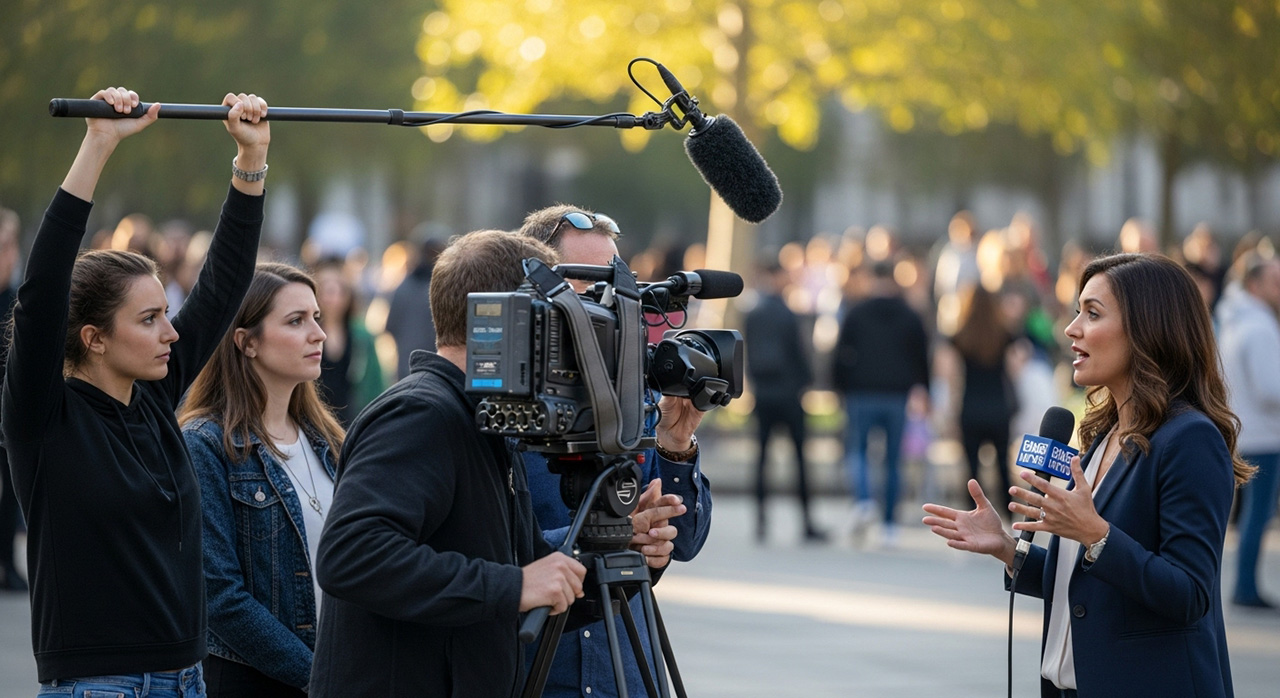
Behind the Lens: The Making of a Video News Story
In the digital age, video news has become an essential medium for storytelling, providing viewers with an immersive experience that text alone cannot achieve. The process of creating a compelling video news story is both an art and a science, requiring a blend of technical skills, creativity, and journalistic integrity. In this article, we will explore the intricate process of crafting a video news story, from conception to broadcast, and delve into the various elements that contribute to a successful narrative.
The Initial Concept: Identifying a Story
Every impactful video news story begins with an idea. This initial concept is often driven by current events, public interest, or unique angles that offer fresh perspectives on familiar topics. Journalists and producers brainstorm to identify stories that not only inform but also engage their audience. This stage involves extensive research and verification to ensure that the story is newsworthy and relevant.
Once a topic is chosen, the next step is to determine the story’s angle. This angle or focus will guide the narrative and help in deciding which elements to highlight. For example, a story about climate change might focus on its impact on local communities, emphasizing personal stories and expert interviews.
Pre-production: Planning and Logistics
With a clear concept in mind, the next phase is pre-production. This stage involves meticulous planning and organization. Journalists and producers create a storyboard or a shot list to visualize the story’s flow. This step is crucial as it outlines the various scenes, interviews, and visuals needed to convey the narrative effectively.
Logistics are another critical component of pre-production. This involves scheduling interviews, securing locations, obtaining necessary permissions, and arranging equipment. A well-organized pre-production phase ensures a smooth filming process and minimizes unforeseen challenges. Additionally, journalists must ensure they have the necessary permits and legal clearances to shoot at chosen locations.
The Art of Filming: Capturing the Story
Filming is where the story truly begins to take shape. This stage requires a keen eye for detail and the ability to adapt to unexpected circumstances. Video journalists must be adept at using their equipment, understanding the nuances of lighting, sound, and composition to capture high-quality footage.
Interviews play a pivotal role in video news stories. They provide firsthand accounts and expert opinions that add depth and credibility to the narrative. Conducting effective interviews involves preparing thoughtful questions and creating a comfortable environment for subjects to share their insights.
B-roll footage is equally important as it provides the visual context needed to support the story. This could include shots of the environment, relevant activities, or close-ups that enhance the narrative. Filmmakers must be strategic in capturing B-roll, ensuring it complements the main story while maintaining visual interest.
Post-production: Editing and Refining
Once filming is complete, the post-production phase begins. Editing is a critical step in shaping the final product. Editors sift through hours of footage to select the best clips that align with the story’s narrative. This process involves cutting, arranging, and refining footage to create a cohesive and engaging story.
Incorporating graphics, subtitles, and other visual elements can enhance the story’s clarity and appeal. Music and sound effects also play a significant role in setting the tone and mood of the piece. Editors work closely with producers to ensure that the final product is both informative and visually captivating.
Attention to detail is paramount in post-production. Editors and producers meticulously review the final cut to ensure accuracy and compliance with journalistic standards. This includes verifying facts, checking for biases, and ensuring that the story is balanced and fair.
The Role of Technology in Video News
Technology has revolutionized the way video news stories are produced and consumed. From high-definition cameras to advanced editing software, journalists have access to tools that enhance their storytelling capabilities. Drones, for example, provide breathtaking aerial shots that were once impossible to capture, adding a new dimension to visual storytelling.
Moreover, the rise of social media and online platforms has changed how video news is distributed and consumed. Stories can reach a global audience within seconds, and viewers can engage with content in real-time. This has led to the emergence of live streaming and interactive formats, allowing for more dynamic and immediate storytelling.
Emerging technologies like virtual reality and 360-degree video offer even more immersive experiences, transporting viewers directly into the heart of the story. As technology continues to evolve, so too will the methods and possibilities for video news production. For more insights on how technology is shaping the industry, visit Nieman Lab.
Ethical Considerations in Video Journalism
As with all forms of journalism, ethical considerations are paramount in video news production. Journalists must adhere to standards of accuracy, fairness, and impartiality. This involves presenting multiple perspectives, avoiding sensationalism, and respecting the dignity and privacy of those featured in the story.
Transparency is also crucial. Audiences must be informed of any potential conflicts of interest, sponsorships, or manipulations in the storytelling process. Journalists must strive to maintain the trust of their audience by upholding the principles of ethical journalism.
Furthermore, the impact of video news stories on communities and individuals must be considered. Journalists have a responsibility to avoid causing harm and to report with sensitivity and empathy, especially when covering traumatic or controversial topics. For more on ethical journalism practices, the Society of Professional Journalists offers a comprehensive code of ethics.
The Future of Video News
As the landscape of media continues to change, the future of video news remains promising. Innovations in technology and storytelling techniques are opening new avenues for engaging and informative journalism. With the increasing demand for on-demand content, video news outlets are exploring new formats and platforms to reach diverse audiences.
Collaborations between traditional news organizations and digital media companies are becoming more common, resulting in hybrid models that combine the strengths of both mediums. These collaborations are paving the way for more innovative and impactful storytelling that resonates with audiences on multiple levels.
Ultimately, the core principles of journalism—truth, accuracy, and integrity—will continue to guide the evolution of video news. As journalists adapt to new challenges and opportunities, their commitment to delivering high-quality, reliable news will remain at the forefront.
Takeaways
Behind every successful video news story is a dedicated team of professionals working tirelessly to inform and engage their audience. From the initial concept to the final broadcast, each stage of production requires careful planning, creativity, and a commitment to journalistic excellence. As technology and media landscapes evolve, the art of video storytelling will continue to captivate and inform viewers around the world.
For those passionate about pursuing a career in video journalism, understanding the intricacies of this process is essential. By honing their skills and embracing new technologies, aspiring journalists can contribute to the ever-changing narrative of our world, one story at a time.
Training and Development in Video Journalism
For aspiring video journalists, the journey to mastering the craft involves continuous learning and development. Educational institutions and workshops offer courses focused on the technical and creative aspects of video production. These programs cover essential skills such as camera operation, editing software proficiency, and storytelling techniques.
In addition to formal education, gaining practical experience is invaluable. Internships and entry-level positions at news organizations provide hands-on experience and exposure to real-world scenarios. Aspiring journalists can learn from seasoned professionals, gaining insights into the fast-paced environment of news production.
Mentorship is another critical component of professional growth. Experienced journalists can provide guidance, feedback, and support, helping newcomers navigate the challenges of the industry. Networking with industry peers and joining professional organizations can also open doors to opportunities and collaborations.
As the industry evolves, continuous education is essential to keep up with new tools, platforms, and trends. Online courses and webinars, such as those offered by JournalismCourses.org, provide valuable resources for journalists seeking to enhance their skills and remain competitive in a dynamic field.
Audience Engagement and Feedback
Engagement with the audience is a crucial aspect of video news. Understanding viewer preferences and behaviors allows journalists to tailor their content to meet audience demands. Analytics tools provide insights into viewership patterns, helping producers understand which stories resonate most and why.
Social media platforms offer direct channels for interaction, enabling journalists to receive instant feedback from viewers. Comment sections, live chats, and social media polls allow audiences to voice their opinions and share their perspectives. This feedback loop not only helps journalists improve their content but also fosters a sense of community and connection with the audience.
Moreover, user-generated content is becoming an integral part of storytelling. Encouraging viewers to share their own videos, photos, and stories can enrich news coverage and provide diverse viewpoints. Incorporating audience contributions can enhance the authenticity and relatability of a story, making it more engaging and impactful.
Challenges in Video News Production
Despite the exciting opportunities, video news production also presents several challenges. One of the primary obstacles is the need for speed without sacrificing accuracy. In the age of instant information, journalists must balance the pressure to be first with the responsibility to be correct.
Resource constraints are another challenge. Producing high-quality video content requires significant investment in equipment, technology, and personnel. Smaller news organizations may struggle to allocate the necessary resources, which can impact the quality and frequency of their output.
Additionally, the competitive nature of the media industry requires journalists to constantly innovate and adapt. This can lead to stress and burnout, as professionals strive to maintain high standards while meeting tight deadlines.
Despite these challenges, resilience and adaptability are key traits that help journalists overcome obstacles and excel in their field. By leveraging collaboration, embracing new technologies, and maintaining a steadfast commitment to ethical reporting, journalists can navigate the complexities of video news production effectively.
Conclusion: The Ever-Evolving Landscape of Video News
As we look to the future, the landscape of video news continues to evolve at a rapid pace. The integration of cutting-edge technology, combined with a renewed focus on audience engagement, is transforming how stories are told and consumed. Video journalism remains a powerful tool for education, awareness, and change, bridging the gap between events and audiences worldwide.
The journey of producing a video news story is a complex yet rewarding endeavor. It demands a blend of creativity, technical prowess, and an unwavering dedication to truth. As the industry continues to grow and transform, journalists are tasked with the challenge of adapting and innovating, ensuring that the stories they tell remain relevant, impactful, and true to the core principles of journalism.
In a world that increasingly relies on visual media for information, the role of video news is more critical than ever. By embracing the challenges and opportunities of this dynamic field, video journalists have the potential to shape public discourse and contribute to a more informed and connected global community.











Leave a Reply