
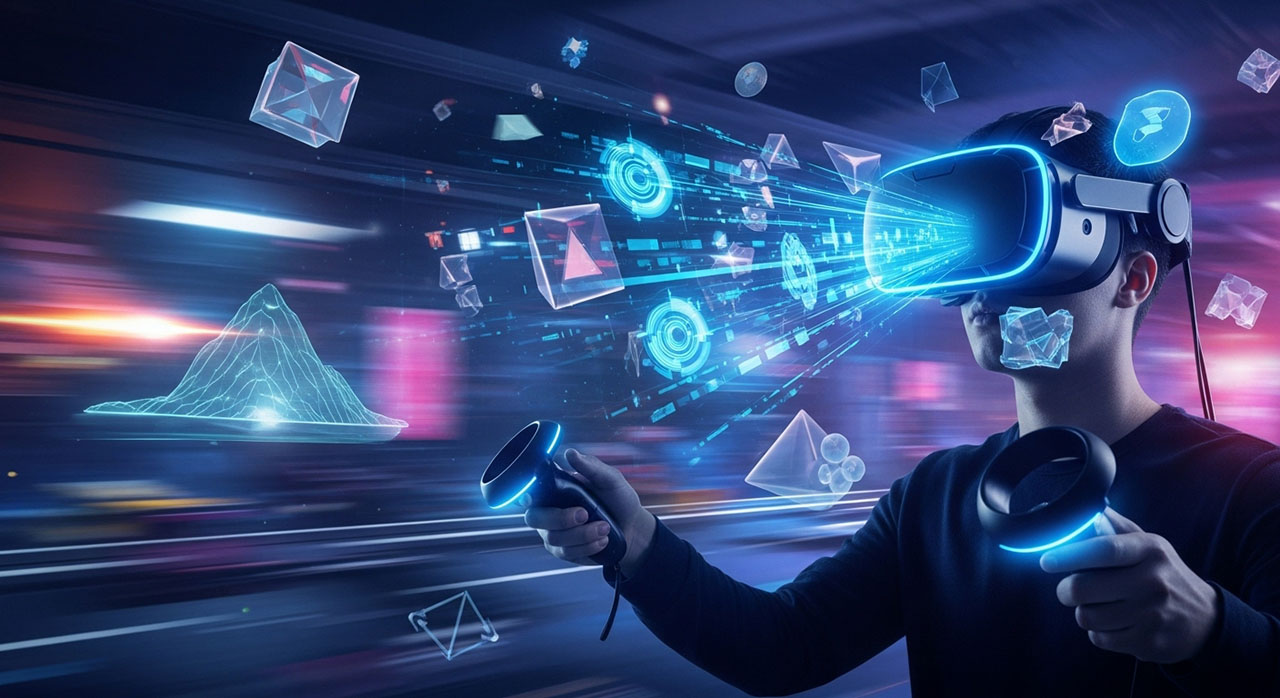
VR and the Evolution of Game Design
The advent of virtual reality has initiated a profound shift in game design philosophies. Traditional game development often focuses on 2D or 3D environments viewed on flat screens, but VR requires developers to rethink space, interaction, and user interface design from the ground up. This shift has led to innovations in how game worlds are constructed, how narratives are told, and how players interact with their environments.
In VR, spatial design becomes critical. Developers must consider how players will move through and interact with a fully immersive environment. Concepts such as scale, perspective, and movement take on new meanings, compelling designers to create worlds that feel natural and intuitive to navigate. This has led to the emergence of new gameplay mechanics, such as teleportation and room-scale exploration, which are becoming standard in VR game design.
Educational and Training Applications
Beyond entertainment, VR is increasingly being utilized for educational purposes. The immersive nature of VR makes it an effective tool for teaching complex concepts in a variety of fields. For instance, VR can simulate historical events, allowing students to experience them firsthand, or it can create virtual laboratories where science students can conduct experiments without the risk of real-world consequences.
In the realm of professional training, VR offers realistic simulations for industries such as aviation, healthcare, and manufacturing. Pilots can practice flying under various conditions, surgeons can rehearse complex procedures, and assembly line workers can learn new skills in a controlled, virtual environment. These applications demonstrate VR’s potential to enhance learning and improve skill acquisition, as detailed in a report by Edutopia.
The Cultural Impact of VR Gaming
Virtual reality is not only changing how games are played but also influencing broader cultural trends. As VR becomes more integrated into mainstream gaming, it is shaping how people perceive and interact with digital worlds. This cultural shift is reflected in the growing communities centered around VR games, the rise of VR content creation, and the increasing presence of VR in popular media.
Moreover, VR is fostering new forms of digital expression and creativity. Artists and storytellers are using VR to craft immersive narratives and interactive art installations, pushing the boundaries of traditional media. These cultural developments highlight VR’s role as a catalyst for innovation across diverse creative fields.
Sustainability and VR Development
As the gaming industry looks to the future, sustainability is becoming an important consideration for VR development. The production and disposal of electronic devices, including VR hardware, have environmental impacts that the industry must address. Companies are beginning to explore eco-friendly manufacturing processes and sustainable materials to reduce their carbon footprint.
Furthermore, the energy consumption of VR systems is a concern, as these devices require significant processing power. Developers are working on optimizing software and hardware to minimize energy use, ensuring that the growth of VR gaming aligns with environmental sustainability goals. This emphasis on green technology is crucial for the long-term viability of VR as a mainstream entertainment medium.
Final Thoughts
Virtual reality is undeniably reshaping the gaming industry, offering new ways to experience digital content and interact with virtual worlds. While there are challenges to overcome, the potential of VR is vast, and its influence on gaming is only set to grow. From redefining game design to creating new educational opportunities and fostering cultural shifts, VR is poised to leave a lasting impact on the industry and beyond.
As we continue to explore the possibilities of virtual reality, one thing is certain: VR is more than just a fleeting trend; it is a foundational technology that is transforming the way we play, learn, and connect with each other. The journey of VR gaming is just beginning, and its future promises to be as exciting as the worlds it creates.













Leave a Reply