
Delving into the Psychology: How Video News Influences Public Opinion
In today’s digital age, video news has become an omnipresent force, shaping public opinion in ways that were previously unimaginable. The immediacy, accessibility, and emotional impact of video content offer unique opportunities and challenges in the realm of media consumption and public perception. As consumers increasingly turn to video news for information, understanding the psychological mechanisms behind its influence becomes crucial.
The Power of Visual Storytelling
Visual storytelling is a potent tool in the arsenal of video news. Human brains are wired to process visual information more efficiently than text. According to a study by the Stanford Social Innovation Review, people remember only 20% of what they read but can recall up to 80% of what they see and do. This innate preference for visual information means that video news can leave a lasting impact on viewers, making it an effective medium for shaping public opinion.
Video news often employs narrative techniques akin to those used in traditional storytelling. By crafting compelling narratives, journalists can engage viewers emotionally, creating a deeper connection to the content. For example, a news segment on climate change that features compelling visuals of melting glaciers and interviews with affected individuals can evoke strong emotional responses, potentially swaying public opinion on environmental policies.
The Role of Emotion in Video News
Emotions play a critical role in how video news influences public opinion. Emotional arousal can significantly affect memory retention, as well as the likelihood of sharing content. A study published in the journal ScienceDirect found that emotionally charged content is more likely to be shared on social media platforms, amplifying its reach and impact.
Video news often leverages emotional appeals to elicit reactions such as empathy, anger, or fear. For instance, coverage of humanitarian crises frequently includes personal stories and distressing images to evoke empathy and drive viewers towards action. This emotional engagement can lead to a more profound influence on public opinion, as audiences are more likely to support causes they feel emotionally invested in.
Cognitive Biases and Video News Consumption
Cognitive biases also play a crucial role in how individuals process and interpret video news. Confirmation bias, for example, leads viewers to favor information that aligns with their pre-existing beliefs and attitudes. This bias can result in selective exposure, where individuals consume news that reinforces their views, creating echo chambers.
Moreover, the availability heuristic—a mental shortcut that relies on immediate examples that come to mind—can be exacerbated by video news. When viewers frequently see reports of rare but dramatic events, such as terrorist attacks, they may overestimate their prevalence and impact. This can lead to skewed perceptions of reality and influence public opinion on issues like national security and immigration policies.
The Influence of Framing and Agenda-Setting
Framing and agenda-setting are two powerful journalistic techniques that shape how video news influences public opinion. Framing involves presenting information in a particular way to influence interpretation. By emphasizing certain aspects of a story while downplaying others, journalists can subtly guide viewers’ perceptions.
For example, a news report on healthcare reforms may frame the issue in terms of economic costs or human rights, influencing whether viewers perceive it as a financial burden or a moral obligation. Similarly, agenda-setting refers to the media’s ability to prioritize certain topics, shaping what audiences perceive as important. Through repeated coverage, video news can elevate issues like climate change or healthcare to the forefront of public discourse.
Social Media and the Amplification of Video News
The rise of social media platforms has significantly amplified the reach and impact of video news. Platforms such as Facebook, Twitter, and YouTube serve as conduits for news dissemination, enabling videos to go viral and reach global audiences within minutes. This rapid spread can magnify the effects of video news on public opinion, as viewers are exposed to content shared by their social networks.
Moreover, algorithms used by social media platforms often prioritize emotionally engaging content, further amplifying the influence of video news. As a result, sensational or emotionally charged videos are more likely to appear in users’ feeds, potentially skewing public perception and reinforcing existing biases.
The Ethical Implications of Video News Influence
The powerful influence of video news on public opinion raises important ethical considerations. Journalists and media organizations must navigate the fine line between informing the public and manipulating perceptions. The use of sensationalism or emotionally charged content to boost viewership can lead to misinformation and the erosion of trust in media institutions.
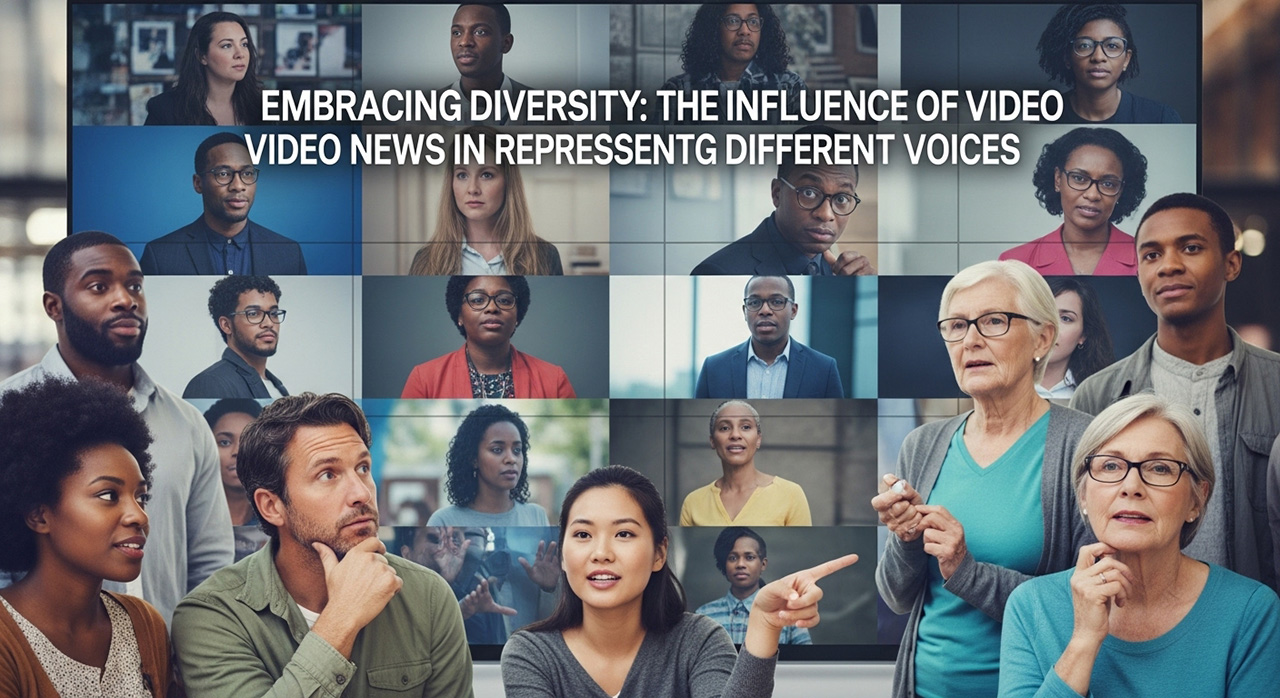
Furthermore, the potential for bias in video news coverage necessitates a commitment to accuracy and fairness. By providing balanced reporting and diverse perspectives, media organizations can help mitigate the effects of cognitive biases and ensure that audiences are well-informed.
Conclusion: Navigating the Complex Landscape of Video News
As video news continues to shape public opinion, understanding the underlying psychological mechanisms becomes increasingly vital. By leveraging visual storytelling, emotional appeals, and cognitive biases, video news can exert a profound influence on viewers. However, the ethical implications of this influence demand a careful and responsible approach to journalism.
In an era where information is readily accessible, media literacy becomes a crucial skill for audiences. By critically evaluating video news content and seeking out diverse sources, individuals can navigate the complex media landscape and form well-rounded opinions. Ultimately, the interplay between video news and public opinion underscores the importance of responsible journalism in shaping the future of informed citizenship.
Media Literacy: Empowering Viewers in the Digital Age
In a world saturated with video news, media literacy is more crucial than ever. It empowers viewers to critically analyze the content they consume and discern credible information from sensationalism or misinformation. Media literacy involves understanding the techniques used in video production, recognizing bias, and evaluating the credibility of sources.
Educational initiatives aimed at enhancing media literacy can help equip individuals with the skills needed to navigate the complexities of video news. By fostering critical thinking and encouraging skepticism, these programs can help audiences make informed decisions and resist the manipulation of public opinion.
The Role of Technology in Shaping Video News
Advancements in technology have revolutionized the way video news is produced, distributed, and consumed. High-definition cameras, drones, and live-streaming capabilities have enhanced the quality and immediacy of video news coverage. As technology continues to evolve, it will likely introduce new dynamics into the relationship between video news and public opinion.
The rise of artificial intelligence (AI) and machine learning also holds significant implications for video news. AI can be used to analyze vast amounts of data, identify patterns, and even generate news content. While these technologies have the potential to enhance news production, they also raise ethical concerns about the authenticity and accuracy of AI-generated content.
Future Trends in Video News and Public Opinion
Looking ahead, several trends are likely to shape the future of video news and its influence on public opinion. The increasing use of immersive technologies, such as virtual reality (VR) and augmented reality (AR), promises to transform the way news stories are told. By providing immersive experiences, these technologies can offer viewers a deeper understanding of complex issues, potentially leading to more informed opinions.
Additionally, the growing importance of mobile devices in media consumption means that video news will continue to be optimized for smartphones and tablets. This shift towards mobile-friendly content has implications for how news is produced and distributed, as well as how audiences engage with it.
Furthermore, the evolving landscape of social media platforms will likely continue to influence the dissemination and impact of video news. As platforms experiment with new algorithms and features, the ways in which video news reaches and engages audiences will continue to evolve.
Balancing Influence and Responsibility
Ultimately, the relationship between video news and public opinion is a complex and evolving one. While video news has the power to inform and educate, it also carries the responsibility to do so ethically and accurately. As media organizations navigate this landscape, they must strike a balance between influence and responsibility, ensuring that their content serves the public good.
For audiences, the key lies in becoming active, informed consumers of video news. By questioning sources, seeking diverse perspectives, and engaging with content critically, viewers can empower themselves to form opinions that are both informed and independent.
As we move forward in this digital age, the interplay between video news, public opinion, and technology will continue to shape the way we understand and interact with the world around us. By embracing media literacy and fostering responsible journalism, we can harness the power of video news to create a more informed and engaged society.















Leave a Reply