
Exploring the Role of Gaming in Tech Advancements: The Intersection of Game News and Innovation
In today’s rapidly evolving technological landscape, the gaming industry stands out as a significant driver of innovation and advancement. From the early days of pixelated graphics and basic gameplay to today’s immersive virtual reality experiences, gaming has consistently pushed the boundaries of what’s possible in tech. This blog post delves into the intricate relationship between gaming and technological advancements, exploring how game news and innovation intersect to shape the future.
The Historical Context of Gaming and Technology
To understand the contemporary influence of gaming on technology, it’s essential to look back at its historical context. The inception of video games dates back to the 1950s and 60s when simple games like “Tennis for Two” and “Spacewar!” were created. These early games laid the foundation for the gaming industry and sparked interest in computer graphics and interaction. As technology advanced, so did the complexity and reach of video games.
Fast forward to the 1980s and 90s, and we see the emergence of home gaming consoles like the Nintendo Entertainment System and Sega Genesis. These platforms brought gaming into the living room, fostering a new wave of innovation in graphics processing and user interfaces. This period also witnessed the rise of personal computers, which became increasingly powerful and accessible, further blurring the lines between gaming and computing technology.
Modern Gaming and Technological Innovations
In recent years, the gaming industry has been at the forefront of several technological breakthroughs. One of the most notable areas is graphics technology. Graphics processing units (GPUs), initially developed to render complex video game graphics, have now found applications in various fields, including artificial intelligence, data analysis, and more. Companies like NVIDIA and AMD continue to innovate, driving advancements in real-time ray tracing and other cutting-edge graphics technologies.
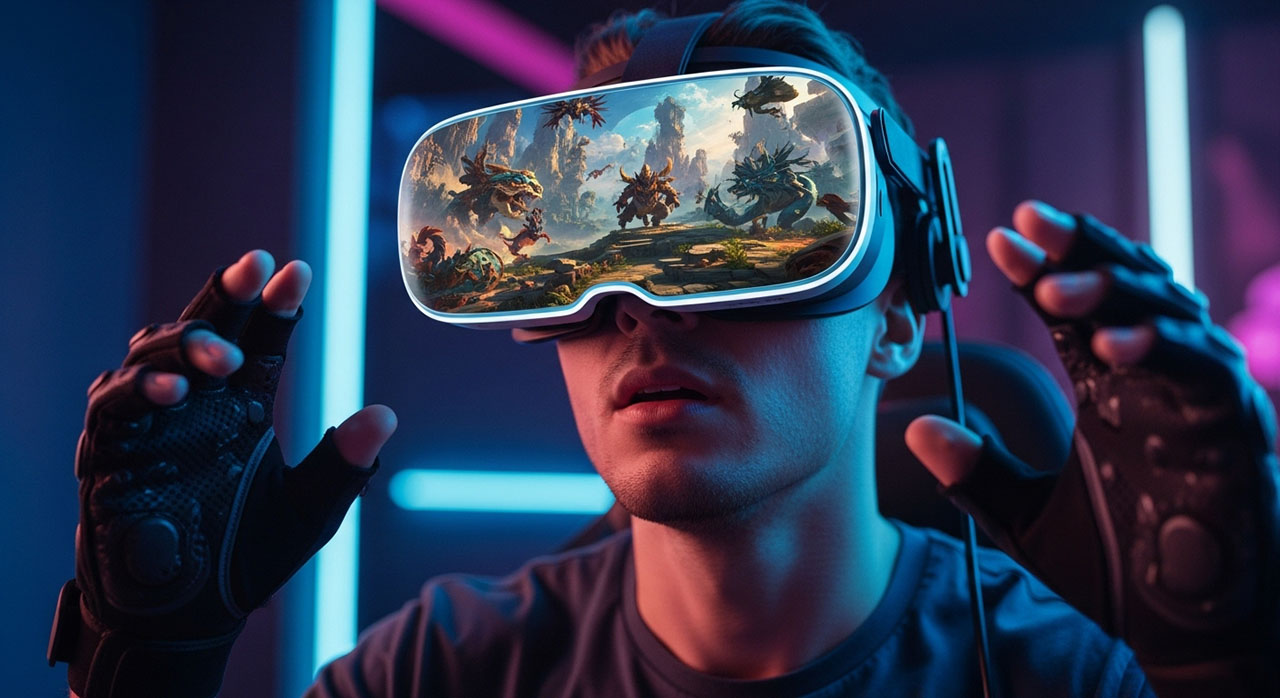
Moreover, the demand for realistic and immersive gaming experiences has led to significant advancements in virtual reality (VR) and augmented reality (AR). Devices like the Oculus Rift and HTC Vive have brought VR gaming to the mainstream, while AR games like Pokémon GO have demonstrated the potential for blending digital and physical worlds. These technologies are not only transforming entertainment but also finding applications in fields like education, healthcare, and training simulations.
The Impact of Gaming on Software Development and AI
The influence of gaming extends beyond hardware advancements. It has also played a crucial role in the evolution of software development and artificial intelligence (AI). Game developers constantly seek ways to enhance user experience, leading to the creation of sophisticated algorithms and programming techniques. For example, procedural generation, a method used to create vast, dynamic game worlds, has applications in fields such as architecture and urban planning.
Furthermore, AI has become a pivotal component in modern gaming, enabling more realistic and challenging opponents. The development of AI in gaming has spurred advancements in machine learning and neural networks. The popular technique of reinforcement learning, where AI learns by interacting with environments, has its roots in gaming. Companies like DeepMind have utilized this approach to create AI systems that can outperform humans in complex games like Go and StarCraft II.
Gaming Communities and Their Role in Tech Innovation
Gaming communities have emerged as a powerful force in driving technological innovation. Online platforms like Twitch and Discord have facilitated the creation of vibrant communities where gamers can share experiences, strategies, and ideas. These platforms have also become testing grounds for new technologies, such as live streaming and cloud gaming.
Cloud gaming, in particular, is poised to revolutionize the industry by allowing gamers to stream games directly from the cloud without the need for high-end hardware. Services like Google Stadia and NVIDIA GeForce NOW are leading the charge in this domain, promising to make gaming more accessible to a broader audience. The potential for cloud gaming to reduce hardware barriers could have a profound impact on the industry and shape the future of gaming technology.
Game News as a Catalyst for Innovation
The dissemination of game news plays a crucial role in driving innovation within the industry. News outlets and websites dedicated to gaming provide a platform for developers to showcase their latest projects and technologies. This exposure not only generates excitement among gamers but also attracts the attention of investors and tech enthusiasts.
Major gaming events like E3 and the Game Developers Conference (GDC) serve as stages for announcing groundbreaking technologies and game titles. These events often highlight the intersection of gaming and tech, showcasing innovations in game design, graphics, and gameplay mechanics. For instance, the unveiling of new gaming engines, such as Unreal Engine 5, has a ripple effect throughout the industry, influencing game development and tech innovation.
The Future of Gaming and Tech Advancements
Looking ahead, the relationship between gaming and technology is poised to deepen further. As emerging technologies like 5G and edge computing become more prevalent, they will enhance the capabilities of online gaming and enable new experiences. The rise of esports, with its massive global audience, is also driving investment in infrastructure and technology to support competitive gaming.
Additionally, the integration of blockchain technology into gaming is opening up new possibilities for ownership, monetization, and security. Non-fungible tokens (NFTs) are being used to create unique in-game assets, while decentralized platforms offer new ways for gamers to interact and transact. These developments underscore the gaming industry’s role as a catalyst for technological progress and innovation.
Takeaways
The intersection of gaming and technology is a dynamic and ever-evolving landscape. From its humble beginnings to its current status as a leading force in tech advancements, gaming has consistently driven innovation across various domains. As we continue to explore new frontiers in gaming and technology, it is clear that the industry will remain a pivotal player in shaping the future of innovation. For those interested in the latest developments, keeping an eye on game news and industry trends is essential to understanding the broader impact of gaming on our world.
Gaming and Its Influence on Social and Cultural Trends
Beyond technological advancements, gaming has also significantly impacted social and cultural trends. Video games have evolved into a form of social interaction, with multiplayer and online games offering platforms for people to connect globally. This has given rise to new social dynamics and communities, influencing how individuals interact and form relationships.
Games like Fortnite and Minecraft have become cultural phenomena, transcending the traditional boundaries of gaming and becoming integral parts of popular culture. These games encourage creativity, collaboration, and competition, fostering environments where players can express themselves and learn new skills. Such trends highlight gaming’s role not only as a form of entertainment but also as a cultural and educational tool.
Moreover, gaming has influenced other media forms, such as movies, music, and literature. The storytelling techniques and visual artistry seen in games often inspire other creative industries, leading to a cross-pollination of ideas and styles. This cultural exchange enriches both the gaming industry and the broader creative landscape.
Educational Applications of Gaming Technology
Another area where gaming technology is making significant strides is in education. Educational games and simulations offer interactive and engaging ways to learn, making complex subjects more accessible to learners of all ages. By incorporating gaming elements like rewards, challenges, and levels, educational platforms have successfully increased engagement and motivation among students.
Virtual reality and augmented reality technologies are particularly promising in educational settings. They allow for immersive learning experiences, such as virtual field trips and interactive science experiments, which can enhance understanding and retention of information. Educational institutions and tech companies are increasingly recognizing the potential of gaming technology to transform traditional learning methods.
Research has shown that games can improve cognitive skills such as problem-solving, spatial awareness, and critical thinking. As educational institutions continue to embrace digital tools, gaming technology is likely to play a crucial role in shaping the future of education, making learning more effective and enjoyable.
Challenges and Ethical Considerations in Gaming and Technology
Despite the numerous benefits and advancements driven by gaming, the industry also faces challenges and ethical considerations. Issues such as gaming addiction, data privacy, and online harassment are significant concerns that need to be addressed to ensure the gaming environment is safe and inclusive for all users.
As games become more immersive and realistic, they raise questions about the psychological impact on players, especially younger audiences. Developers and policymakers must work together to establish guidelines and safeguards that protect players while still allowing for creativity and innovation in game design.
Moreover, the environmental impact of gaming is an area that requires attention. As the demand for high-performance gaming hardware grows, so does the energy consumption associated with production and operation. The industry must explore sustainable practices and technologies to minimize its ecological footprint.
The Gaming Industry’s Economic Impact
The economic impact of the gaming industry is substantial, contributing significantly to global economies. The gaming market generates billions of dollars annually, with revenues surpassing those of other entertainment sectors like film and music. This economic influence is not only limited to game sales but also extends to related markets such as esports, merchandising, and gaming accessories.
The growth of the gaming industry has also created numerous job opportunities in various fields, from game development and marketing to esports management and content creation. Cities and regions that host major gaming companies and events often see economic benefits, including job creation and increased tourism.
As the industry continues to expand, it presents opportunities for investment and innovation, driving economic growth and technological advancement. The gaming sector’s resilience and adaptability in the face of challenges, such as the global pandemic, demonstrate its vital role in the global economy.
Conclusion: The Future Outlook of Gaming and Technology
The role of gaming in technological advancements is multifaceted and constantly evolving. As new technologies emerge and cultural trends shift, the gaming industry will continue to be a pivotal force driving innovation. From advancing graphics and AI to influencing social dynamics and education, gaming’s impact is far-reaching and profound.
Looking to the future, the possibilities for gaming and technology are limitless. As we embrace new innovations and address emerging challenges, the relationship between gaming and tech will undoubtedly shape the digital landscape for years to come. Staying informed about game news and developments will be crucial for anyone interested in understanding the broader implications of gaming on technology and society.











Leave a Reply