
Exploring the Role of Gaming in Tech Advancements: The Intersection of Game News and Innovation
As the gaming industry continues to evolve, its influence on technology and innovation becomes increasingly apparent. What was once considered a niche hobby has grown into a pivotal sector driving advancements in various tech fields. This blog post explores how gaming news intersects with technological innovation, examining the transformative impact of gaming on both hardware and software development, as well as its broader implications across industries.
The Evolution of Gaming Technology
The gaming industry has always been at the forefront of technological advancements. From the early days of pixelated graphics and basic sound effects to today’s hyper-realistic visuals and surround sound, gaming technology has undergone a remarkable transformation. This evolution has not only shaped the gaming experience but also pushed the boundaries of what’s possible in technology.
One of the most significant areas of impact is graphics processing units (GPUs). Originally designed to render images for video games, GPUs are now essential components in various tech applications, including machine learning, artificial intelligence, and data centers. The demand for more immersive gaming experiences has driven companies like NVIDIA and AMD to develop cutting-edge graphics cards that power both gaming and non-gaming applications.
Game Engines: Catalysts for Innovation

Game engines like Unreal Engine and Unity have revolutionized the way games are developed and experienced. These powerful tools allow developers to create intricate and immersive worlds, offering a level of detail and interactivity that was previously unimaginable. However, the impact of game engines extends far beyond gaming.
Industries such as architecture, film, and automotive design have leveraged game engines to create realistic simulations and visualizations. For instance, architects use these engines to design virtual walkthroughs of buildings, allowing clients to experience the space before construction begins. Similarly, the film industry utilizes game engines for pre-visualization and special effects, streamlining production processes and reducing costs.
Virtual Reality and Augmented Reality
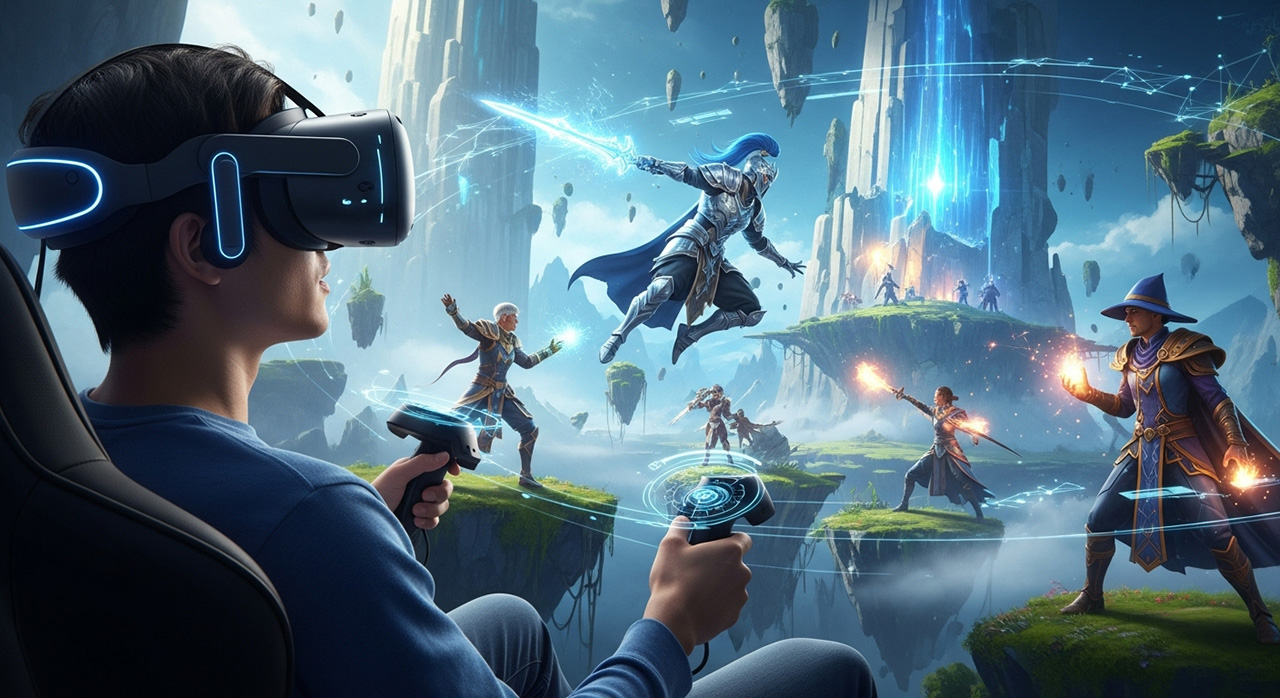
Virtual reality (VR) and augmented reality (AR) are two of the most exciting areas where gaming and technology intersect. These technologies have their roots in gaming, with VR headsets like the Oculus Rift and AR games like Pokémon GO capturing the imagination of millions. Today, VR and AR have applications across various fields, from healthcare to education.
In healthcare, VR is used for pain management, phobia treatment, and surgical training. It provides a safe and controlled environment for patients and practitioners to engage in therapeutic activities. Similarly, AR is transforming the educational landscape, offering interactive and engaging learning experiences that bring abstract concepts to life.
The Influence of Gaming on Artificial Intelligence
Gaming has played a crucial role in the development of artificial intelligence (AI). Video games serve as excellent testing grounds for AI algorithms due to their complex environments and dynamic challenges. AI in gaming ranges from simple NPC behavior to advanced AI opponents capable of learning and adapting to players’ strategies.

This experimentation has led to significant breakthroughs in AI, influencing areas such as autonomous vehicles and natural language processing. For example, Google’s DeepMind used the game of Go to create an AI that could defeat world champions, demonstrating the potential of AI to solve complex real-world problems.
Cloud Gaming: A New Frontier
Cloud gaming represents another intersection of gaming and technology, offering players the ability to stream games directly from the cloud without the need for powerful hardware. Services like Google Stadia and NVIDIA GeForce Now are paving the way for a future where gaming is more accessible and less reliant on expensive consoles or PCs.
This shift to cloud-based gaming has broader implications for the tech industry, particularly in terms of infrastructure and cloud computing. As demand for cloud gaming services grows, so does the need for robust data centers and efficient network solutions, driving innovation in these areas.
Esports and Streaming Platforms
The rise of esports and streaming platforms has further solidified gaming’s role in technological advancements. Platforms like Twitch and YouTube Gaming have not only changed how games are consumed but also how content is created and shared. This has led to innovations in live-streaming technology, such as low-latency streaming and real-time viewer interaction.
Moreover, esports has become a global phenomenon, with professional players and teams competing for substantial prizes. The competitive nature of esports has spurred the development of better gaming peripherals, enhanced connectivity solutions, and even advancements in human-computer interaction.

Conclusion: Gaming as a Catalyst for Change
Gaming continues to be a driving force behind various technological innovations, influencing fields as diverse as healthcare, education, and artificial intelligence. As the industry evolves, so too does its capacity to generate new ideas and solutions, making it a crucial player in the tech landscape.
Whether through the development of more powerful hardware, the creation of immersive virtual environments, or the advancement of AI, gaming remains at the cutting edge of innovation. As we look to the future, it is clear that the intersection of game news and technology will continue to shape the world in ways we have yet to imagine.
For those interested in the latest developments and how gaming continues to push the boundaries of technology, staying informed through reliable sources is essential. Platforms such as GamesIndustry.biz and PC Gamer offer invaluable insights into the ever-evolving landscape of gaming and its technological impact.
The Role of User Feedback in Driving Innovation
One of the unique aspects of the gaming industry is its close relationship with its audience. Gamers are not just consumers; they are active participants who provide vital feedback that can shape the future of technology. This feedback loop is instrumental in driving innovation, as developers and tech companies listen to user experiences to improve and refine their products.

For instance, the rise of indie games has shown that smaller development teams can produce groundbreaking content that challenges industry norms. By leveraging platforms like Steam’s Early Access, developers can release a game in its early stages and refine it based on user feedback. This iterative process not only enhances the game but also contributes to improvements in gaming engines and tools, ultimately benefiting the broader tech ecosystem.
Cross-Platform Play and Connectivity
Cross-platform play is another area where gaming is influencing technological advancements. The demand for seamless play across different devices and platforms has led to significant breakthroughs in connectivity and networking technology. Companies are now focusing on creating unified gaming experiences that allow players on consoles, PCs, and mobile devices to compete and collaborate in real-time.
This push for cross-platform compatibility has implications beyond gaming. It necessitates innovations in network protocols, cloud services, and device integration, paving the way for more interconnected tech ecosystems. As more industries adopt these technologies, the foundation laid by the gaming industry will prove invaluable.
Social Impact and Cultural Influence
Beyond the technological advancements, gaming also has a profound impact on society and culture. Games like The Last of Us and Life is Strange tackle complex social issues, prompting discussions on topics ranging from mental health to environmental conservation. This storytelling power has encouraged other media to explore similar themes, showcasing gaming as a legitimate form of artistic expression.

Moreover, the global reach of games has fostered a sense of community and collaboration across cultures. Online multiplayer games bring together people from different backgrounds, promoting understanding and cooperation. This social aspect has inspired innovations in communication technology, as developers strive to create more inclusive and interactive environments.
Future Trends in Gaming Technology
As we look toward the future, several emerging trends demonstrate gaming’s ongoing influence on technology. One such trend is the integration of machine learning in game development. Machine learning algorithms can personalize gaming experiences, adjust difficulty levels, and even create dynamic in-game narratives that evolve based on player choices.
Additionally, the burgeoning field of blockchain gaming promises to revolutionize digital ownership and in-game economies. By leveraging blockchain technology, developers can create decentralized platforms that offer players true ownership of in-game assets, leading to new forms of economic interaction and player engagement.
Conclusion: The Ever-Expanding Horizon
The intersection of gaming and technology is a vibrant and dynamic space that continually pushes the boundaries of what’s possible. The advancements driven by the gaming industry have rippled across numerous sectors, influencing everything from graphics and AI to connectivity and cultural narratives.
As the industry continues to innovate, the potential for gaming to drive further technological breakthroughs remains vast. By staying attuned to the latest game news and trends, we can better understand how gaming will shape the future of technology, creating new opportunities and experiences for people worldwide.
For those keen on keeping abreast of these developments, resources like TechRadar’s gaming section and The Verge offer comprehensive coverage of the latest innovations and their implications across the technology landscape.











Leave a Reply